




Turning Audit Data Into Procurement Insights
Risks of Manual Freight Bill Processing
Manual bill processing fails at scale. See how automation cuts invoice errors, lowers processing costs, and turns freight billing into a governance asset.
Manual freight bill processing creates a bottleneck in the accounts payable workflow. An experienced coordinator processing a bill of lading takes 8 to 12 minutes, accounting for retrieval, field entry, and verification. Across the full document set for a single shipment, total processing time averages 60 to 90 minutes before error correction.
The scale problem compounds quickly. A mid-size shipper processing 10,000 invoices per month cannot catch every misclassified surcharge or rate discrepancy. Manual data entry error rates for complex documents run 1-4% normally and spike during peak periods. The error rate rises precisely when invoice volume is highest.
The Financial Impact of Bill Processing Errors
Freight billing errors cost mid-market shippers 3-7% of total freight spend annually. Accessorial overcharges account for roughly 40% of all billing errors. These include fuel surcharges applied incorrectly, residential delivery fees billed to commercial addresses, and liftgate charges for equipped docks.

Rate misapplications make up another 25%, where carriers apply general tariff rates instead of contracted discounts. Carrier invoices arrive in non-standardized formats with unique field names and line item structures. An ERP may call it "Call Before Delivery" while a carrier invoices it as "Notify Fee." That discrepancy creates missed audit opportunities.
The Hidden Operational Costs Beyond the Invoice
The financial cost of manual bill processing extends beyond the dollar value of billing errors. The average mid-size freight forwarder absorbs $140,000 to $280,000 per year in costs attributable to document errors. That figure includes administrative overhead, resolution labor, and downstream disruptions like payment delays and strained carrier relationships. These costs diffuse across departments and appear as unexplained freight cost variance.
Manual bill processing also creates a visibility problem. When invoice data lives in spreadsheets or isolated systems, freight cost analysis by lane, carrier, or product becomes impossible. Finance teams work from incomplete data. Transportation decisions get made without accurate cost context.
How Manual Bill Processing Creates Compliance Risk
Freight bill processing carries compliance implications that manual processes handle inconsistently. Payment terms, dispute filing deadlines, and contract-compliance documentation all require consistent execution at every invoice cycle. Manual processes are inherently variable, with different staff applying different standards and documenting disputes with different levels of detail.
Compliance risk compounds with volume. A single missed dispute filing deadline forfeits the recovery opportunity permanently. A pattern of inconsistent documentation weakens the evidentiary basis for future carrier negotiations. Organizations relying on manual oversight for compliance build a governance structure that depends on individual discipline and degrades under pressure.
Where Bill Processing Errors Are Most Concentrated
Weight and dimension discrepancies are the most common source of billing errors, followed by duplicate invoices, missing contract discount codes, and unexpected accessorial fees. These categories are predictable and recurring. They do not require investigation to identify. They require consistent validation logic applied to every invoice, which manual processes cannot deliver reliably.
A 2% error rate across 200 invoices per day means four invoices flagged incorrectly or missed entirely, every day. Over 12 months, that is more than 1,400 invoices with unresolved discrepancies. Each one represents a financial loss already absorbed into operating costs. The problem is that manual review cannot maintain the consistency that accurate bill processing requires.
The Case for Automating Freight Bill Processing
Automation transforms freight bill processing from a bottleneck into a controlled, auditable workflow. AI-powered processing cuts invoice handling time from 30 minutes to under one minute. Processing costs drop from $26 to $15 per invoice manually to $5 to $2 with automation. For organizations processing significant invoice volumes, those unit cost reductions translate into meaningful annual savings independent of billing error recovery.
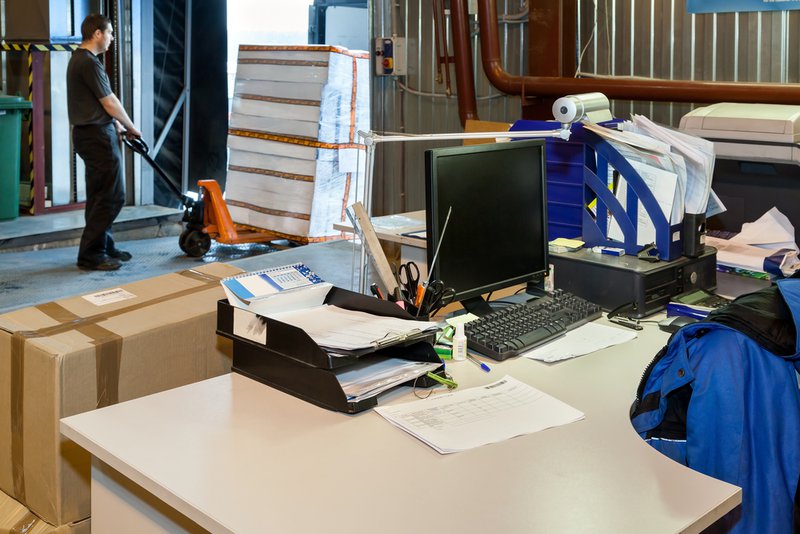
Automation also enables the analytical layer that manual processing cannot support. When invoice data connects consistently to TMS execution records, organizations can analyze cost behavior at the lane and carrier level. That visibility supports carrier contract negotiations, freight budget accuracy, and policy-level freight optimization. ROI on freight bill automation typically materializes within 6 to 9 months based on recovered overcharges alone.
Integrating Bill Processing into a Freight Governance Framework
Automating freight bill processing delivers the most value when integrated with the broader freight execution environment rather than implemented as a standalone accounts payable function. When invoice validation connects to TMS data and rate tables, every charge is validated against the contract and actual shipment. That integration closes the translation gaps that manual processes leave open.
Every validated invoice is a data point about carrier billing behavior, accessorial trends, and contract compliance. Aggregated over time, that data becomes the analytical foundation for freight policy decisions, procurement strategy, and margin recovery programs. Organizations that treat bill processing as a transactional function miss the governance opportunity it represents.
How KDL Helps Organizations Eliminate Manual Bill Processing Risk
Manual freight bill processing is a controllable risk. The errors it generates are predictable, the financial impact is measurable, and the technology to address them is proven.
At KDL, our freight audit and recovery service replaces manual bill processing with technology-driven invoice validation combined with human expertise. We audit every invoice against contracted rates and accessorial entitlements, recovering dollars lost to billing errors and unexpected fees. The KDL Connect TMS integrates with your ERP and WMS, connecting bill processing to execution data. Finally, our managed transportation practice automates freight billing workflows, driving measurable P&L improvements while freeing your team from manual process functions.
Contact KDL today to learn how we can help you assess your manual bill processing costs and build the automation roadmap to eliminate them.