




Procurement Automation Improves Consistency
Freight Volume Gives You More Buying Power
Freight volume is often measured in shipments and dollars alone. That number tells only part of the story. The real question is how much negotiating leverage that freight volume creates with carriers and transportation providers. Understood correctly, that leverage can reshape how we manage transportation costs.
Freight volume is often measured in shipments and dollars alone. That number tells only part of the story. The real question is how much negotiating leverage that freight volume creates with carriers and transportation providers. Understood correctly, that leverage can reshape how we manage transportation costs.
Mid-market manufacturers and distributors rarely move the volume of the largest enterprises. Combined lanes, modes, locations, and recurring shipments can still create meaningful buying power. Many companies never fully capture that value because transportation gets managed across disconnected carriers, locations, and departments.
Understanding, consolidating, and strategically managing freight volume changes that picture entirely. It turns scattered shipment activity into a single, coordinated negotiating position. That shift in perspective is what makes freight volume a genuine asset rather than just a line on an invoice.
Understand What Your Freight Volume Is Really Worth
Knowing annual freight spend is not the same as understanding transportation buying power. Total shipments, shipment frequency, and origin and destination density all shape carrier interest. Lane volume, geographic coverage, mode mix, and shipping pattern consistency matter just as much. Each dimension tells carriers something different about how valuable our freight actually is.

Recurring, predictable freight holds particular value because carriers can build it into network planning. A carrier that can count on steady volume plans more efficiently around it. That efficiency often translates into better pricing and service commitments for us. Freight volume should be analyzed across the whole organization, not location by location.
Consolidate the Data Before You Negotiate
Fragmented transportation data can make a company look smaller than it really is. Multiple facilities, carrier relationships, and transportation programs often obscure the full picture. A regional facility negotiating alone rarely commands the leverage the whole company holds together. That gap between perceived and actual size costs money at the negotiating table.
Consolidating shipment and spend data reveals overlapping lanes and concentrated shipping regions. It also surfaces underutilized carrier relationships and opportunities to combine volume for better terms. These insights only emerge once data moves out of separate systems and into one view. Data visibility is the first step toward turning freight volume into real leverage.
Use Lane Density to Strengthen Your Position
Carriers do not value every freight lane equally. Consistent volume on specific lanes creates opportunities for stronger pricing and service commitments. Identifying high-volume lanes lets us determine whether current rates reflect that consistency. A lane we ship daily deserves different treatment than one we use occasionally.
A sound transportation strategy considers carrier network economics, not just the lowest rate quoted. Carriers price lanes based on how well freight fits their existing routes and equipment flow. Evaluating lane-level performance and pricing reveals more than an average freight rate ever could. That lane-by-lane view often uncovers savings hiding within an otherwise reasonable overall rate.
Give Carriers a Better Reason to Compete for Your Business
Buying power depends on more than how much freight a shipper moves. It also depends on how strategically that freight fits into a carrier's network. Predictable volume, balanced lanes, and consistent schedules all make freight more attractive to carriers. Clear shipping requirements remove guesswork that carriers otherwise price around defensively.
A strong freight profile encourages carriers to compete more aggressively for our business. Presenting accurate, organized information during a freight RFP reinforces that strength from the start. Negotiation should never be framed as simply demanding lower rates from carriers. The stronger approach builds a transportation program that creates value for both sides.
Look Beyond the Base Rate When Measuring Buying Power
Better freight rates do not automatically translate into better transportation economics. Fuel charges, accessorials, minimum charges, and detention fees all affect real cost. Reclassification fees, claims, service failures, and expedited transportation add further variability. A rate that looks appealing at first can lose that advantage once these factors accumulate.
A carrier with a slightly higher base rate could still produce lower total costs. Better service and fewer unexpected charges often outweigh a small difference in the quoted rate. Negotiations should center on total transportation cost and value, not one rate component alone. That broader view protects against decisions that look good on paper but cost more in practice.
More Freight Volume Does Not Automatically Mean More Leverage
Volume alone does not guarantee negotiating power. It becomes meaningful leverage only when a shipper can demonstrate, organize, and use it strategically. Highly fragmented shipments and irregular demand patterns can undercut an otherwise strong freight profile. Low-density lanes and unclear service requirements create the same problem for carriers evaluating our business.
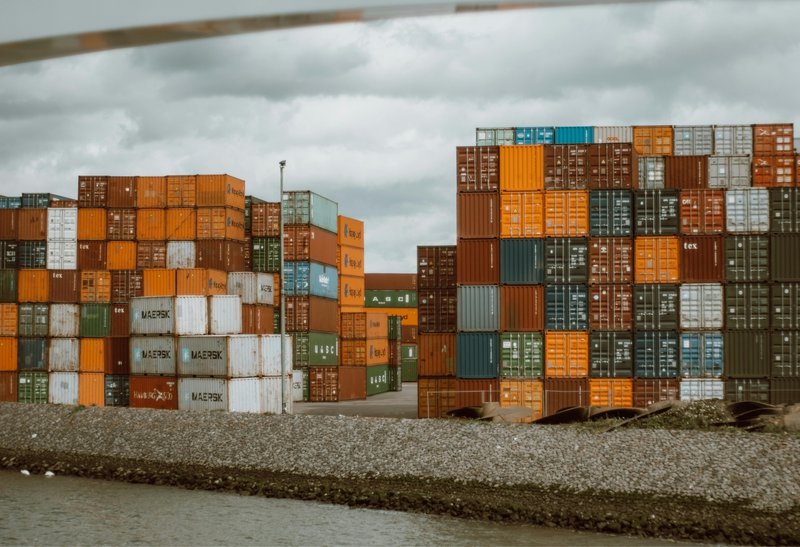
Poor shipment data and excessive carrier fragmentation weaken buying power even further. Carriers cannot price confidently around freight profiles they cannot clearly understand. Transportation expertise helps determine exactly where volume creates genuine negotiating opportunities. Without that clarity, real leverage can go unrecognized and unused.
Turn Freight Volume Into an Ongoing Transportation Strategy
Negotiating better rates once does not guarantee long-term transportation savings. Freight volumes, carrier networks, fuel costs, and demand patterns all shift over time. A rate structure that made sense last year may no longer reflect current realities. Business requirements change too, often faster than transportation agreements get revisited.
Continuously monitoring freight spend, carrier performance, and lane rates keeps that picture current. Shipment patterns, mode utilization, and service levels deserve the same ongoing attention. Ongoing visibility helps shippers recognize when their freight profile has changed meaningfully. That awareness signals exactly when it may be time to renegotiate or restructure the program.
Make Your Freight Volume Work Harder
Freight volume can be one of the most valuable transportation assets a shipper holds. That value only materializes when volume is properly understood and strategically managed. Better data reveals where volume concentrates, where carriers have real incentive to compete, and where current agreements fall short. The objective was never simply securing a lower rate.
The real goal is using freight volume to improve cost control, carrier performance, and service reliability. KDL helps companies analyze their freight, strengthen carrier relationships, and put transportation spend to better use. Our team brings structure to freight profiles that often go unexamined across disconnected departments and locations.
That expertise, combined with our proprietary business intelligence technology, turns scattered shipment data into a coordinated negotiating position. While KDL Connect TMS keeps that visibility current as shipment patterns and business needs evolve. Connect with us today.