



ROI of Digitizing Transport Procurement
When Sourcing Decisions Create Downstream Freight Chaos
Freight performance, cost stability, and service reliability often depend heavily on upstream sourcing strategy. When procurement and logistics operate independently, sourcing decisions can unintentionally create downstream freight challenges that increase operational risk and transportation costs.
Sourcing strategies typically focus on unit cost, supplier reliability, and product availability. Procurement teams often prioritize negotiating competitive pricing and ensuring suppliers can meet production or inventory requirements. These priorities are essential for maintaining efficient procurement operations.
However, transportation implications do not always receive the same level of attention during procurement planning. Once sourcing decisions are finalized, logistics teams must manage the transportation consequences that follow. In many cases, these consequences introduce unexpected complexity into freight operations.
Freight performance, cost stability, and service reliability often depend heavily on upstream sourcing strategy. When procurement and logistics operate independently, sourcing decisions can unintentionally create downstream freight challenges that increase operational risk and transportation costs.
Why Procurement and Logistics Often Operate Separately
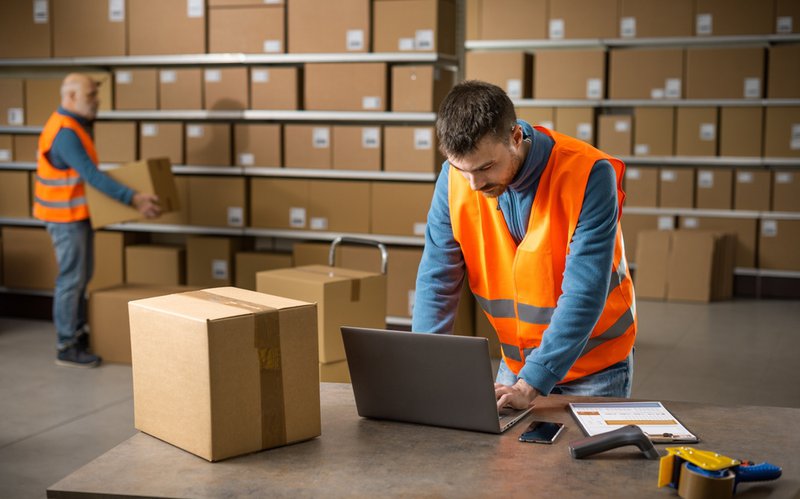
In many organizations, procurement and logistics teams operate under different objectives and reporting structures. Procurement departments evaluate suppliers based on product price, quality standards, and delivery timelines. Their primary goal is to secure materials at competitive costs while maintaining reliable supplier relationships.
Logistics teams typically become involved after sourcing decisions are already finalized. At that point, their responsibility is to move products efficiently through the supply chain. While they manage transportation execution, they often have limited influence over supplier location or shipment structure.
This separation creates a gap in visibility between sourcing strategy and freight execution. Procurement decisions that appear financially advantageous may introduce logistical challenges that only become visible after shipments begin moving.
The Hidden Freight Impact of Sourcing Decisions
Supplier location is one of the most significant factors affecting transportation cost and performance. A sourcing decision that introduces a new supplier hundreds of miles away from production facilities or distribution centers can dramatically change freight dynamics.
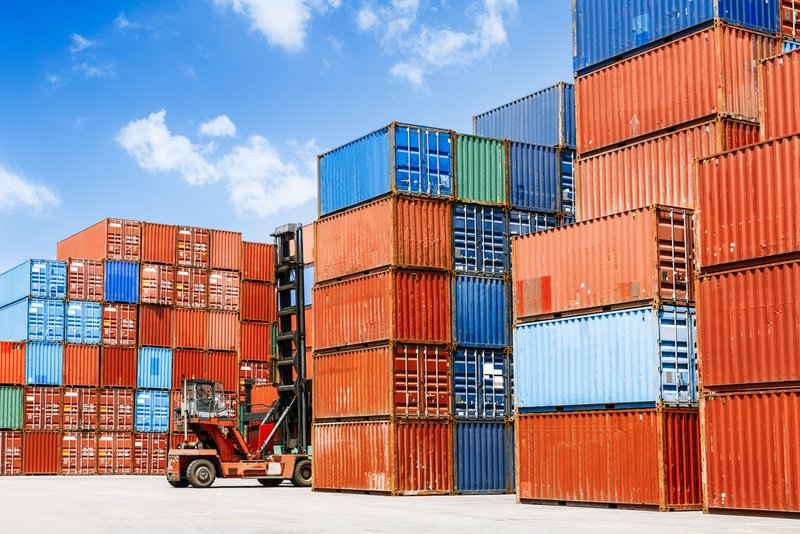
Longer shipping lanes increase transit times and may require different transportation modes. Additional handling points or transfers may also be required depending on the supplier’s location and shipment volume. These changes can introduce delays, possible damage, and increase transportation expenses.
In some cases, procurement strategies that reduce product costs may simultaneously increase freight spending. If the added transportation costs exceed the savings from supplier pricing, the organization ultimately pays more. Without evaluating logistics implications, sourcing decisions may shift costs rather than reduce them.
Common Freight Challenges Caused by Procurement Strategy
When sourcing decisions overlook transportation considerations, several operational challenges frequently emerge. These challenges often appear only after suppliers begin shipping product through the transportation network.
Examples include:
- Suppliers located far from distribution centers or manufacturing facilities
- Shipment volumes that do not align with efficient transportation modes
- Inconsistent shipping schedules that disrupt transportation planning
These conditions introduce variability into freight operations. Logistics teams may need to manage additional shipments, coordinate more complex routing, or rely on less efficient transportation options to accommodate supplier shipments.
Over time, these operational adjustments can increase freight costs and create unnecessary complexity within the transportation network.
Aligning Procurement and Logistics Planning
Organizations benefit significantly when procurement and logistics teams collaborate early in the sourcing process. Including transportation expertise during supplier evaluation allows companies to assess both product cost and freight implications simultaneously.
Logistics teams can evaluate routing options, transportation capacity, and shipment volume scenarios before suppliers are selected. This analysis helps identify whether supplier locations will support efficient freight movement across the network.
Cross-functional collaboration also improves transparency between departments. Procurement teams gain visibility into how supplier choices affect transportation costs, while logistics teams better understand the strategic priorities guiding sourcing decisions.
By coordinating early, organizations reduce the risk of operational surprises once shipments begin moving.
Technology’s Role in Sourcing and Freight Coordination
Transportation management systems provide visibility into shipment patterns, lane performance, and cost behavior across the supply chain. They help organizations integrate procurement and logistics planning more effectively.
Analytics tools allow teams to model transportation outcomes based on different supplier locations or shipment volumes. These insights help procurement and logistics teams evaluate sourcing scenarios before introducing operational changes.
Integrated systems also support collaboration across departments. Procurement, logistics, and finance teams can access shared data that reveals how sourcing decisions influence transportation performance and cost structure.
This level of coordination reduces risk when introducing new suppliers or modifying sourcing strategies.
Using Data to Evaluate the Freight Impact of Sourcing
Freight data and transportation analytics provide valuable insight when evaluating sourcing decisions. Historical shipment data can reveal how similar supplier locations affect transit times, cost patterns, and service performance.
Analyzing transportation lanes allows organizations to estimate how new suppliers may influence freight expenses. Leaders can compare potential sourcing scenarios and evaluate the trade-offs between product cost savings and transportation cost increases.
This data-driven approach improves procurement decision-making. Instead of focusing exclusively on supplier pricing, leadership teams can evaluate the total cost of supply chain operations.
When freight impact is considered alongside product cost, organizations gain a more complete view of sourcing strategy.
Managing Freight Stability as Sourcing Strategies Evolve
Supply chains rarely remain static. Companies continually adjust sourcing strategies to respond to market conditions, diversify suppliers, or improve production efficiency. Each change can introduce new transportation considerations.
Organizations that evaluate sourcing and freight strategy together maintain better operational stability. When procurement and logistics planning remain aligned, companies can anticipate transportation implications before implementing supplier changes.
This coordination strengthens supply chain resilience. Freight operations remain predictable even as sourcing strategies evolve, allowing organizations to manage transportation costs and service performance more effectively.
Aligning Sourcing Decisions With Freight Strategy Through KDL
Sourcing decisions influence far more than supplier relationships and product pricing. They shape transportation lanes, shipment volumes, service requirements, and overall freight performance across the supply chain. When procurement strategies overlook logistics implications, organizations often experience increased freight complexity and unpredictable costs.
KDL helps organizations align sourcing decisions with freight strategy through KDL Connect TMS, providing visibility into shipment patterns, lane performance, and transportation cost behavior across supplier networks. We also support supplier coordination through inbound freight management and help ensure freight costs remain accurate and under control through our freight auditing services.